Is Amsterdam Still Affordable for Expats in 2026?
Housing Costs: What Expats Are Paying in 2026
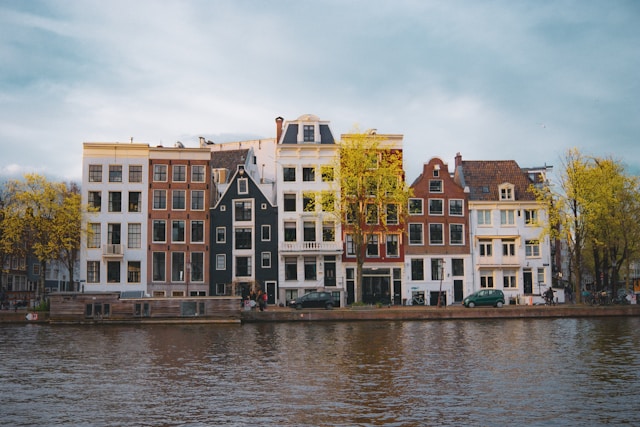
Housing remains the biggest expense for expats in Amsterdam. Many long-term residents and newcomers report that average rental prices are significantly higher than five years ago. Central neighbourhoods like Jordaan and De Pijp command premium rents, often exceeding €2,000 per month for a one-bedroom apartment. Outer districts, such as Amsterdam Noord or Slotervaart, can be somewhat cheaper but still above national averages.
Even with the Dutch housing market showing signs of stabilisation, demand continues to outstrip supply particularly in the affordable segment. Expatriates on mid-range salaries may find themselves priced out of central zones and look further afield or consider shared housing to stay within budget.
Key points:
- Central Amsterdam rental costs remain high.
- Outer districts offer relatively lower rents.
- Shared housing is a common affordability strategy.
Cost of Living Beyond Rent
Rent is only part of the picture. Expats must also budget for utilities, groceries, transport, and insurance all of which have generally risen modestly in line with inflation.
Utilities:
Electricity, heating, water and internet typically add an extra €200–€300 per month.
Energy costs in particular have stabilised compared to the volatility seen in previous years, but remain a non-trivial part of monthly expenses.
Groceries & Essentials:
Supermarket prices in Amsterdam tend to be higher than in smaller Dutch cities.
Many expats balance cost and quality by shopping at discount supermarkets like Lidl or Aldi, while using local markets for fresh produce.
Transport:
Amsterdam’s excellent public transport network helps contain costs.
An OV-chipkaart pass can be economical for regular travel, though some expats opt for cycling the cheapest and healthiest commute.
Leisure & Eating Out:
Dining and nightlife in Amsterdam are vibrant but pricey.
Regular restaurant visits can quickly inflate monthly budgets; many expats choose a mix of home cooking and occasional dining out.
Wages and Expat Salaries: Balancing the Scales
Global companies and tech firms continue to attract international talent to Amsterdam, often with competitive expat salary packages. Higher earnings can offset the city’s cost pressures, making the city reasonably affordable for those in well-paid roles. However, for professionals in education, startups, or public sector positions, salaries may not always keep pace with living costs especially if coupled with family expenses. It’s essential for expats to research sector-specific salary benchmarks before committing to a move.
Where Expats Find Value in Amsterdam
Despite the cost challenges, Amsterdam still has pockets of relative affordability and value:
Shared & Temporary Living Solutions
Many expats start with shared housing or sharing spaces to reduce upfront costs. These arrangements often include utilities and internet, helping newcomers settle without excessive financial pressure.
Commuter Towns & Suburbs
Nearby cities like Haarlem, Amstelveen, and Almere present more affordable rent options with easy train connections to Amsterdam. For many, a short commute is preferable to paying urban premiums.
Negotiating Rent & Lease Terms
Longer leases or renting directly from private landlords can sometimes yield slightly better monthly rates. Expats are advised to familiarise themselves with Dutch tenancy rights and avoid agencies with high fees.
Find more tips to find a new home?
How 2026 Compares to Previous Years
While rents have continued to climb, the rate of increase appears to have softened compared to earlier in the decade. Government measures aimed at increasing housing supply and regulating short-term rentals have had incremental effects, but the market remains competitive. From a broader perspective, Amsterdam is no longer "cheap" by EU standards even compared to cities like Berlin or Lisbon. Nonetheless, it can still be a viable and attractive destination for expats with the right planning and realistic expectations.
Tips for Expats to Improve Affordability
- Budget early: Map out expected monthly costs before arrival.
- Explore neighbourhoods: Consider lesser-known districts for better rent.
- Use public transport or cycle: Saves money and enhances lifestyle.
- Network for housing: Local contacts often know about openings before they’re listed.
- Plan for healthcare: Mandatory insurance is an added cost but essential.
Amsterdam in 2026 remains a dynamic city with strong job opportunities and high quality of life but with costs that reflect its desirability. For well-paid professionals and those willing to adopt cost-savvy living choices, the city can still be affordable. For others, smart budgeting, housing flexibility and exploring surrounding regions are key to making Amsterdam financially manageable. As an expat housing agency we recommend starting your housing search early, setting a clear budget based on realistic rental and living costs, and being open to shared or suburban living. Prioritise your needs and leverage local networks to improve your chances of finding value in a competitive market.
Planning to make your move and need help to find a rental property?