Buying vs Renting in Amsterdam: Which Is Better for Expats?
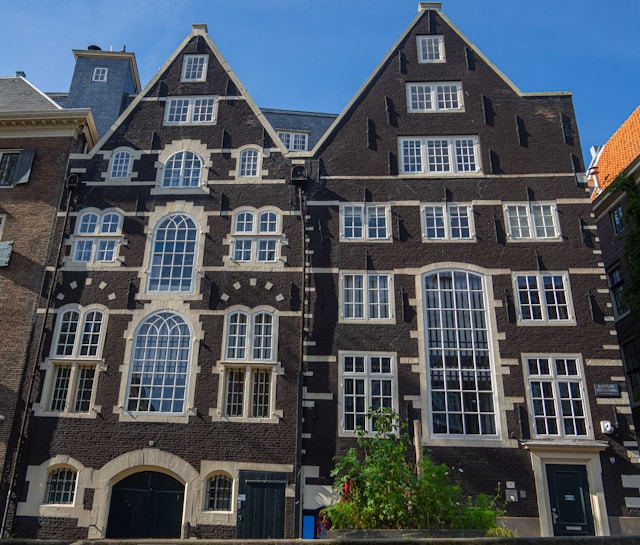
Buying vs renting in Amsterdam: the expat perspective
The Amsterdam property market is competitive, regulated and unlike many other European cities. Expats often arrive with limited local credit history, different tax positions and uncertain timelines, all of which influence whether buying or renting makes sense.
Before comparing both options, it is important to be realistic about how long you plan to stay in Amsterdam and how familiar you are with Dutch financial and legal systems.
Renting in Amsterdam: flexibility and lower risk
For most expats, renting is the default and often the most practical choice especially during the first years.
Advantages of renting
- Flexibility: Ideal if your contract is temporary or your long-term plans are uncertain.
- Lower upfront costs: Typically one to two months’ deposit, no transfer tax.
- Speed: Renting allows you to settle quickly and focus on work or family.
- Less financial exposure: No market risk if property values fluctuate.
Disadvantages of renting
- High monthly costs: Amsterdam rents are among the highest in Europe.
- Limited availability: Competition is intense, especially in popular neighbourhoods.
- Less control: Restrictions on decoration, pets or contract duration are common.
Renting is particularly suitable for expats on fixed-term contracts, corporate relocations or first-time arrivals who want to explore neighbourhoods before committing.
Planning to move over to Amsterdam and looking for help, you can easily register here.
Buying a property in Amsterdam: long-term investment
Buying can be attractive for expats planning to stay long term or those with strong financial positions.
Advantages of buying
- Long-term stability: No risk of contract termination by a landlord.
- Potential capital growth: Amsterdam property values have shown strong long-term performance.
- Monthly costs may stabilise: Mortgage payments can be comparable to rent over time.
- Personal freedom: Renovation and layout choices are yours.
Disadvantages of buying
- High entry costs: Transfer tax, notary fees and advisory costs apply.
- Complex financing: Mortgages require Dutch income history and strict documentation.
- Reduced flexibility: Selling quickly is not always easy or cost-effective.
- Market exposure: Property values can fluctuate, especially short term.
Buying usually only makes sense if you expect to stay at least five years and have long-term residency or career security.
Financial considerations expats should not overlook
When comparing buying vs renting, expats should look beyond monthly costs.
Key factors include:
- Transfer tax: Buyers pay 2% (unless exempt under specific conditions).
- Mortgage access: Lenders assess income stability and residence status.
- Tax implications: Homeownership affects Box 1 taxation and mortgage interest rules.
- Exit strategy: Selling costs and timing matter if plans change.
For many expats, renting remains financially safer, even if buying appears attractive on paper.
Which option suits different expat profiles?
Renting is usually better if you:
- Are staying less than 3–5 years
- Have a temporary work contract
- Are new to the Dutch housing system
- Value flexibility and low commitment
Buying may suit you if you:
- Plan to stay long term
- Have permanent employment or strong self-employed income
- Understand Dutch legal and tax systems
- Want stability and potential capital growth
There is no universal answer only what fits your situation best.
In the end
For most expats, renting in Amsterdam offers flexibility, speed and lower risk. Buying can be attractive for long-term residents but requires careful financial and legal planning. If you are new to Amsterdam, start by renting. Use the first year to understand neighbourhoods, pricing and regulations. Revisit buying only once your stay, income and residency status are secure. Unsure whether buying or renting is right for you?
Contact one of our expat housing specialist to receive personalised advice based on your plans, budget and timeline.